Why Yoga Matters in Incarceration
- Amanda Lee
- Apr 1
- 3 min read

Healing trauma where it’s often ignored

When we talk about incarceration, we often talk about punishment.
What we don’t talk about enough…
is trauma.
Because behind the walls, trauma is everywhere.
Trauma that people carried into incarceration
Trauma experienced within the system
Trauma that continues long after release
And yet—most systems are not built to heal it.
That’s where yoga comes in.
Trauma Doesn’t Stop at the Jail Door
Many incarcerated individuals have long histories of trauma:
Childhood abuse or neglect
Violence in their communities
Substance use tied to coping
Systemic instability and survival-based living
Then incarceration adds another layer:
Loss of control
Isolation
Hyper-surveillance
Fear, tension, and unpredictability
The nervous system stays on high alert.
Constantly.
And when the body is stuck in survival mode,
true rehabilitation becomes nearly impossible.
Yoga Creates Space to Breathe Again
In an environment where nearly everything is controlled—
yoga offers something rare:
choice.
Choice to breathe.
Choice to move.
Choice to pause.
Even a few minutes of intentional breathing can begin to shift the body from:
Survival → Safety
For someone who hasn’t felt safe in years…
that matters more than we can measure.

Regulating the Nervous System Behind the Walls
Correctional environments often reinforce hypervigilance:
Loud noises
Constant monitoring
Limited privacy
Emotional suppression
Yoga helps counter that.
Through breath and movement, it activates the parasympathetic nervous system—helping the body:
Lower stress responses
Reduce aggression and impulsivity
Improve emotional regulation
Increase self-awareness
It teaches something many have never been taught:
How to sit with emotions without reacting to them.
Healing Without Retelling the Story
Incarcerated individuals are often required to:
Tell their story
Defend their past
Relive experiences in legal or clinical settings
But trauma doesn’t always heal through words.
Yoga offers a different path.
No one has to explain what happened.
No one has to revisit it out loud.
The body is allowed to process—
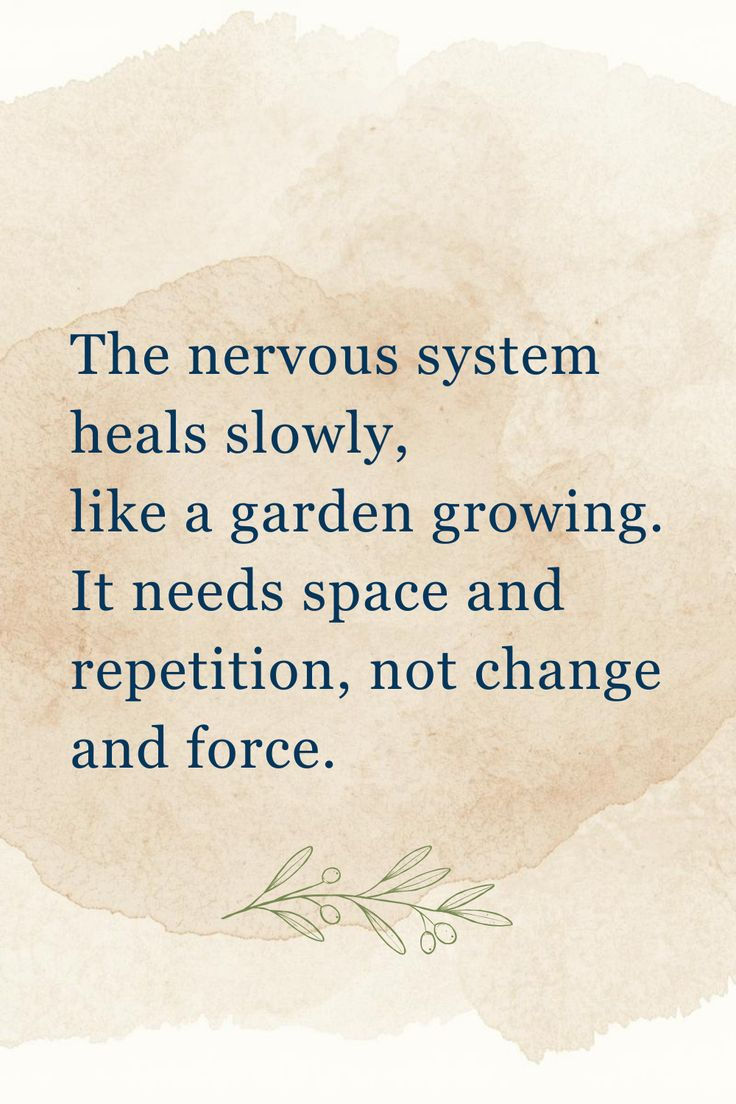
safely, quietly, and at its own pace.

Restoring Agency in a System Built on Control
Incarceration removes autonomy.
When every movement is scheduled, monitored, or restricted,
people can lose connection to their own sense of self.
Trauma-informed yoga brings that back.
It emphasizes:
“Notice what feels right for you.”
“You can choose to participate or not.”
“Your body is yours.”
That restoration of agency is not small.
It is foundational to healing.
From Reactivity to Responsibility
One of the most powerful shifts yoga creates is this:
The pause.
The moment between feeling and reacting.
In environments where reactions can lead to:
Disciplinary action
Escalation
Violence
Learning to pause can change everything.
Yoga helps build:
Emotional awareness
Impulse control
Internal accountability
Not through force—
but through connection.
Why This Matters for Reentry
Most incarcerated individuals will return to society.
The question is not if—
it’s how.
If trauma is unaddressed, it often follows them home:
Into relationships
Into parenting
Into coping behaviors
Into cycles that repeat
But when someone learns how to:
Regulate their body
Understand their emotions
Sit with discomfort without reacting
They leave with tools—not just time served.
This Is Not About “Exercise”
Yoga in incarceration is not about flexibility.
It’s about:
Safety
Awareness
Healing
Humanity
It’s about reminding someone—
You are more than your worst moment.
You are still worthy of healing.
You are still capable of change.
Final Thought
If we truly care about rehabilitation,
we cannot ignore trauma.
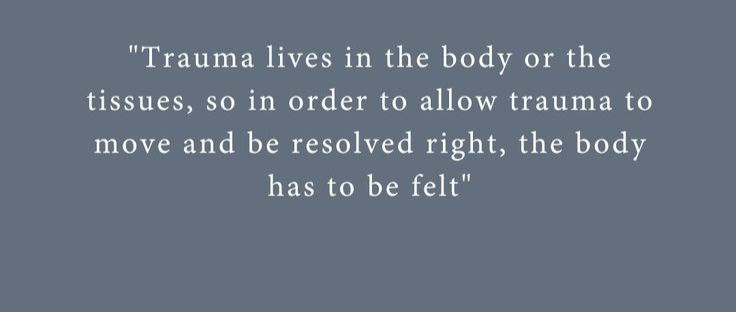
And if trauma lives in the body—
then healing must reach the body too.
Yoga creates a doorway.
Quiet.
Gentle.
Powerful.
And sometimes, in places where hope feels far away…
that doorway can change everything.

Comments