A Beginner’s Guide to Nervous System Regulation
- Amanda Lee
- Apr 1
- 2 min read


🌿 A Beginner’s Guide to Nervous System Regulation 🌿
Learning how to feel safe in your own body again
Have you ever felt overwhelmed… even when nothing around you seems “wrong”?
Or found yourself snapping, shutting down, or spiraling—and wondering why?
That’s not a personality flaw.
That’s your nervous system doing its job.
The truth is:
Your body is always asking one question—
“Am I safe?”
And how it answers that question shapes everything.
What is the nervous system?
Your nervous system is your body’s internal communication system.
It constantly scans your environment (and your thoughts) for safety or danger.
There are a few key states:
🟢 Regulated (Safe & Connected)
You feel calm, present, grounded, able to think clearly.
🟠 Fight or Flight (Activated)
Anxiety, irritability, racing thoughts, urgency, anger.
🔵 Freeze or Shutdown (Overwhelmed)
Numbness, exhaustion, dissociation, “I can’t do anything.”
These aren’t choices.
They’re survival responses.
Why regulation matters
When your nervous system is dysregulated, everything feels harder:
Relationships feel tense
Decisions feel overwhelming
Your body feels “on edge” or completely shut down
But when your nervous system feels safe:
You can respond instead of react
You can connect instead of withdraw
You can think clearly instead of panic
Regulation isn’t about being calm all the time.
It’s about being able to return to calm.

🌱 What does “nervous system regulation” actually mean? 🌱
It simply means helping your body move back into a state of safety.
Not forcing.
Not controlling.
But gently guiding your system back home.
Simple ways to regulate your nervous system
You don’t need anything complicated.
Your body already knows how to regulate—you just have to support it.
1. Breathe (slow it down)
Try this:
Inhale for 4
Exhale for 6
Longer exhales signal safety to your body.
2. Ground yourself
Put your feet on the floor or grass
Name 5 things you can see
Feel something solid in your hands
This brings you out of your mind and back into your body.
3. Use safe touch
Place a hand on your heart
Give yourself a hug
Wrap up in a blanket
Your body responds to comfort—even when it comes from you.
4. Gentle movement
Walk slowly
Stretch
Do light yoga
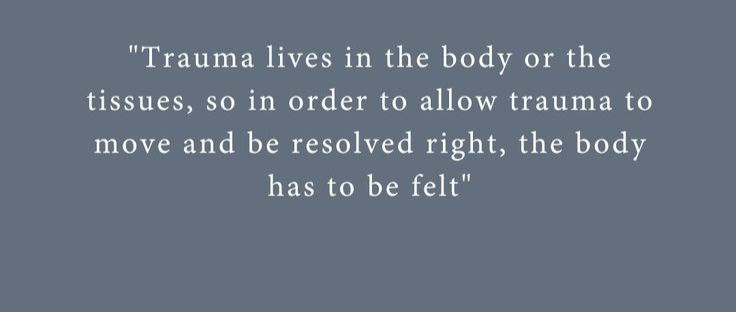
Movement helps release stored stress.
5. Co-regulate with others
Talk to someone safe
Sit near someone you trust
Even being around calm people helps
We aren’t meant to regulate alone.
A gentle truth about trauma
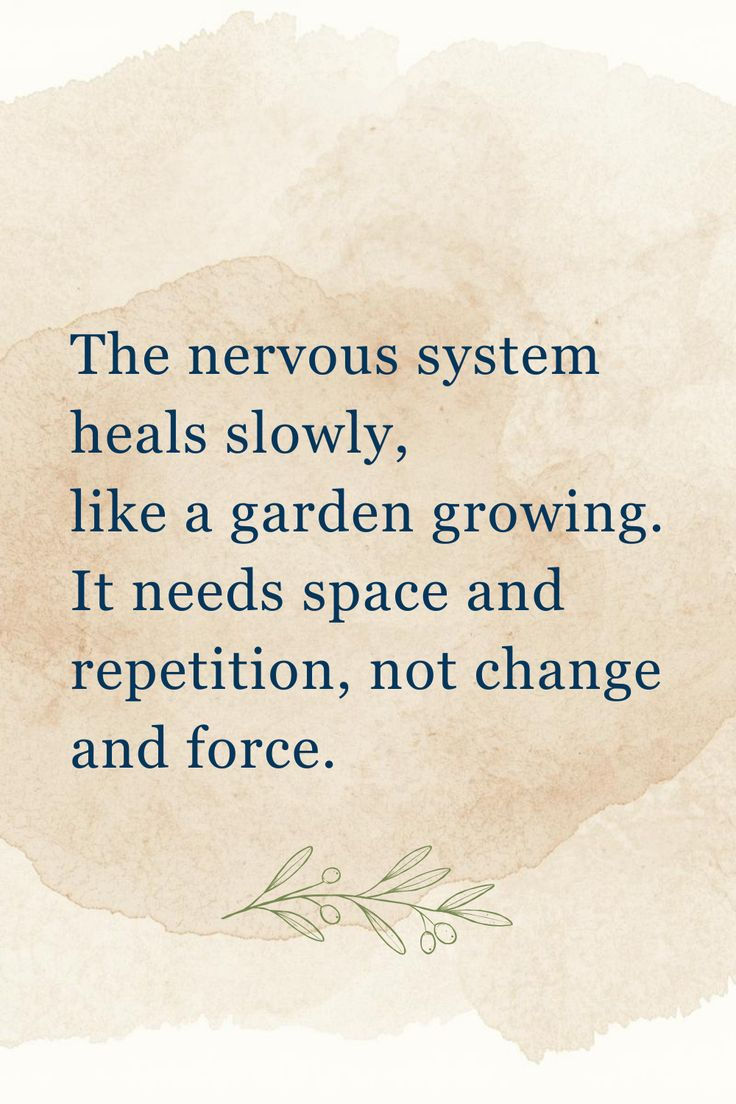
If you’ve experienced trauma—especially long-term—your nervous system may stay on high alert.
That’s not weakness.
That’s adaptation.
Your body learned how to survive.
Now, you’re learning how to feel safe again.
And that takes time.

🌿 What regulation is not 🌿
It’s not “just calm down”
It’s not ignoring your feelings
It’s not forcing positivity
It’s listening to your body…
and responding with care instead of judgment.
Bringing it into your daily life
Start small.
One breath.
One moment.
One check-in with your body.
Ask yourself:
“What would help me feel 1% safer right now?”
That’s where regulation begins.
Final reflection
You are not broken.
Your nervous system is not your enemy.
It has been protecting you all along.
Now, you get to build a new relationship with it—
one rooted in safety, compassion, and awareness.
And that changes everything.



Comments